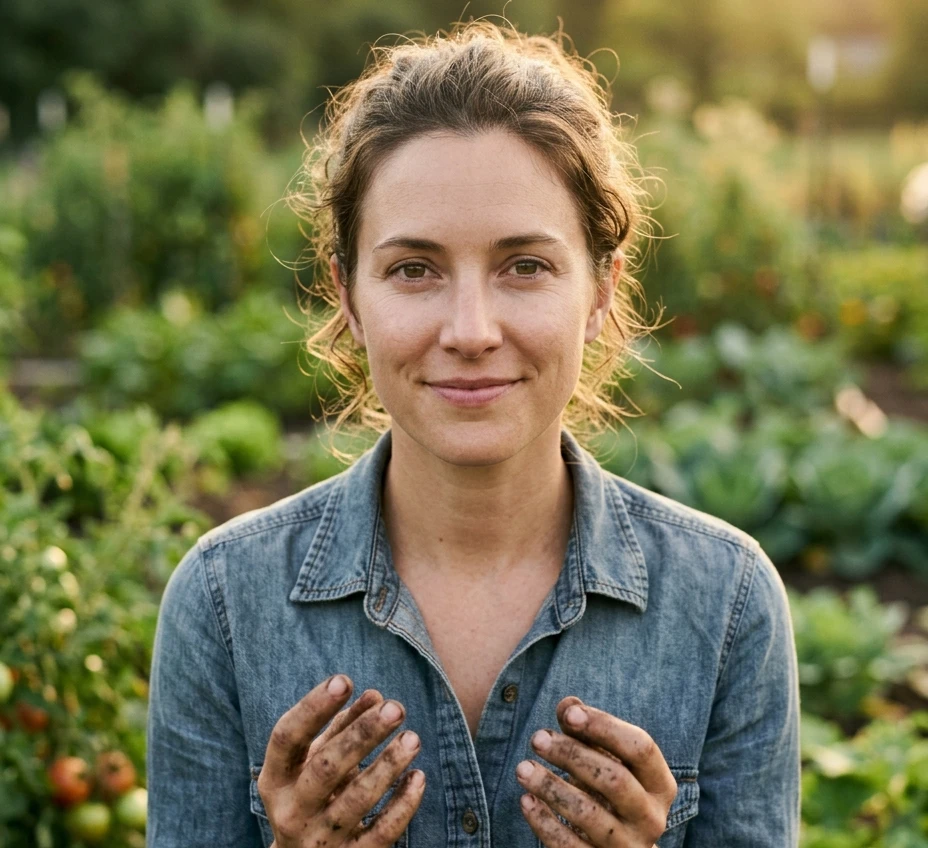
Rose Calder
Molecular Biologist & Sourdough Science Author
About
Rose Calder, Ph.D. earned her doctorate in Cellular and Molecular Biology from the University of Wisconsin-Madison and is affiliated with the University of California, Berkeley. Her academic research spans microbial ecology, synthetic biology, and plant pathology — including landmark work on the synthetic production of artemisinic acid in engineered yeast (Nature, 2006) and the biology of Xylella fastidiosa and Xanthomonas campestris, plant pathogens that cause significant agricultural damage. She has over 6,000 citations and an h-index of 8, reflecting the impact of her foundational microbiology research. Her book 'Sourdough by Science: Understanding Bread Making for Successful Baking' (W.W. Norton, 2022) translates her deep understanding of microbial ecosystems, enzymology, and fermentation chemistry into a practical, accessible framework for home bakers. The book covers yeast-bacteria symbiosis in sourdough starters, pH-mediated fermentation control, gluten chemistry, starch gelatinization, hydration ratio mathematics, and temperature-dependent enzyme activity — all grounded in peer-reviewed science but written for a non-specialist audience. She is a proponent of making sourdough baking sustainable for busy home cooks: using fast, flexible, foolproof methods while understanding the underlying science so bakers can troubleshoot and adapt any recipe. Her unique contribution is bridging the gap between professional baking science and the home kitchen, giving home bakers the conceptual tools to move beyond recipe-following to true understanding. This record is for private NarrativeOS source layer use and should not be used as a public article byline by default.
Perspective
“Understanding the science behind sourdough — the yeast-bacteria ecosystem, pH dynamics, enzyme activity, and gluten chemistry — empowers home bakers to troubleshoot, adapt, and create rather than just follow recipes.”
“Sourdough baking should be sustainable and fit into real life: a fast, flexible, foolproof method that works around a busy schedule is better than a technically perfect but impractical one.”
“The yeast and bacteria in a sourdough starter are a miniature ecosystem: temperature and feeding ratio control which organisms dominate, which directly determines the flavor, rise, and acid profile of the bread.”
“Hydration ratio is the single most important variable in bread making — it controls gluten network formation, crumb structure, fermentation rate, and final texture. Baker's math is not optional; it is the language of reproducible results.”
“Gluten development does not require kneading. At sufficient hydration levels (72%+), gluten forms spontaneously during bulk fermentation through autolysis — the passive hydration and alignment of gluten proteins over time.”
Articles & Guides
Sourdough Hydration Calculator
Her core thesis — hydration ratio determines everything — directly validates this calculator's methodology. Her book provides the baker's math framework behind the tool.
Cups to Grams Converter
Her insistence on weight-based measurements (baker's math) over volume-based ones is a foundational principle of reliable baking. This tool embodies that philosophy.
Cake Pan Size Converter
Her explanation of how pan geometry affects baking time and heat distribution (from the book's section on equipment) supports the science behind pan size conversions.
Rice Water Ratio Calculator
Her expertise in starch chemistry and gelatinization — critical to understanding rice cooking — extends beyond sourdough to all grain-based cooking.