🥦 Processing zucchini for the freezer?
Get exact blanching times — sliced zucchini needs 3 minutes. The timer also covers everything else from your summer harvest.
Every summer garden hits the same wall: one week you're checking on the zucchini, next week you have 15 pounds of it and no plan.
The good news: zucchini preserves better than almost any other summer vegetable. The bad news: you have to do it right or you end up with gray mush in the freezer that you quietly throw away in February.
This guide covers the three real options — freezing (two methods depending on use), pickling, and cooking through the surplus — with exact techniques for each.

The First Decision: What Will You Do With It?
Before you do anything, answer this:
Will the zucchini go into baked goods (bread, muffins, pancakes, fritters)? → Freeze shredded, raw, no blanching.
Will it go into cooked savory dishes (soups, stews, stir-fry, pasta)? → Freeze sliced or diced, blanched.
Do you want something shelf-stable or fermented? → Pickle it.
Do you have a giant one that's already huge? → Stuff and bake today.
These are different methods with different requirements. Mixing them up — blanching shredded zucchini for baking, or freezing raw slices for soup — produces inferior results.
Method 1: Freeze Shredded Zucchini (For Baking)
This is the most useful preservation method because it converts the summer surplus into a ready-to-use baking ingredient that lasts 10–12 months.
No blanching needed. Shredded zucchini going into baked goods doesn't require enzyme deactivation because baking temperatures are high enough to handle it. Blanching shredded zucchini would make it mushy before it even gets frozen.
Step by Step
Wash and trim both ends. No need to peel — the skin is thin and disappears in baked goods.
Grate using the large holes of a box grater. A food processor with the shredding disc works for large quantities.
Do not squeeze yet. Freeze it with the moisture in. You'll squeeze after thawing, just before using — this gives more control over moisture level in the recipe.
Measure into 1-cup portions using a measuring cup. Most zucchini bread and muffin recipes call for 1–2 cups.
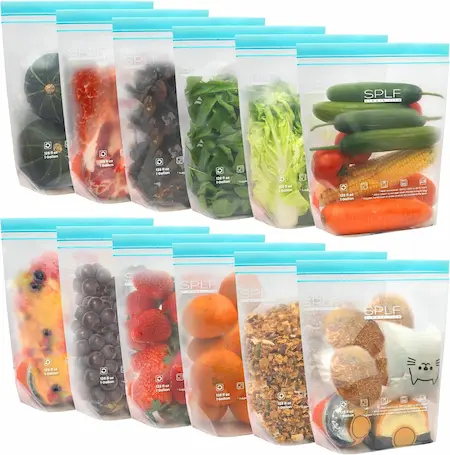
Pack into zip-lock freezer bags, press flat, remove air. Label with date and amount.
Freeze flat so bags stack efficiently.
When you use it: Thaw in the refrigerator overnight or on the counter for 1–2 hours. Then squeeze firmly in a clean kitchen towel or cheesecloth — a 1-cup portion will release 3–5 tablespoons of liquid. Measure after squeezing.

💡 Moisture is the main variable in zucchini baking. The reason zucchini bread sometimes turns out gummy isn't the recipe — it's that different zucchini release different amounts of liquid, and frozen-thawed zucchini releases more than fresh. Always squeeze, always measure after squeezing.
Method 2: Freeze Sliced or Diced Zucchini (For Cooking)

Sliced or diced zucchini going into soups, stews, pasta, and stir-fry needs blanching. The difference matters: without blanching, enzymes remain active in the freezer and will degrade color, texture, and flavor within 1–2 months. Blanched properly, it lasts 8–12 months.
Blanching time: 3 minutes. This is the USDA-recommended time for sliced summer squash.
Step by Step
Wash, trim, and cut to the size you'll use in cooking. ½-inch rounds or ¾-inch dice work well for most applications. Uniform size is important — uneven pieces blanch unevenly.
Bring a large pot of water to a full rolling boil. Use at least 1 gallon per pound of zucchini. Prepare your ice bath before you start — fill a large bowl with cold water and plenty of ice.
Add zucchini and start the timer when water returns to a boil — not when you add the zucchini. The cold zucchini drops the water temperature; you need it back at boiling before timing starts.
Boil exactly 3 minutes.
Transfer immediately to the ice bath using a slotted spoon. Leave in ice water for 3 minutes — equal time to blanching.
Drain and dry completely. Spread on clean kitchen towels. Pat dry. Surface moisture causes freezer burn — this step is not optional.
Flash freeze in a single layer on a parchment-lined baking sheet for 1–2 hours.
Transfer to freezer bags, remove air, label.
For the full blanching technique including altitude adjustments, see How to Blanch Vegetables.
What to expect: Frozen-thawed sliced zucchini will be softer than fresh. This is normal and unavoidable — the cell walls break down. It works fine in soups, stews, and sautéed dishes where soft texture is acceptable. Don't use it in applications where you want firm pieces.
Method 3: Zucchini Pickles
Pickling is the option if you want something shelf-stable (vinegar pickles processed in a water bath) or probiotic-rich (lacto-fermented).
Quick Vinegar Pickles (Refrigerator Method)
These are ready in 24 hours and last 2–3 weeks refrigerated. Not shelf-stable, but easy and delicious.
Basic ratio for 1 quart:
- 2 medium zucchini, sliced thin (¼ inch)
- 1 cup white vinegar
- 1 cup water
- 1½ teaspoons kosher salt
- 1 teaspoon sugar (optional)
- Garlic, dill, peppercorns to taste
Bring vinegar, water, salt, and sugar to a boil. Pack zucchini into a clean quart jar with garlic and dill. Pour hot brine over zucchini. Let cool, then refrigerate. Ready in 24 hours.
The crunch problem: Zucchini doesn't have the same pectin structure as cucumbers, so it softens more readily in pickle brine. To maximize crunch: slice thinner (⅛ inch), add a grape leaf or oak leaf to the jar (naturally occurring tannins firm the texture), and don't pack the jar too full.
Lacto-Fermented Zucchini
Fermented zucchini is crunchier than vinegar pickles, more complex in flavor, and contains live probiotics. The salt brine is the critical variable.
The ratio: 2% salt by weight of water.
For 1 liter of brine: 20g non-iodized salt dissolved in 1 liter filtered water.
Pack sliced zucchini into a jar, pour brine over to cover completely, weigh down to keep submerged, ferment at room temperature 3–5 days. See How to Make Sauerkraut for the full lacto-fermentation process — the same principles apply to zucchini.
Method 4: Use the Giant One Today
Every garden has at least one zucchini that grew to enormous size while you weren't looking. The 18-inch, 5-pound monster. The good news: big zucchini is better for stuffing than small ones.
Stuffed Zucchini Boats
Serves 4. Time: 45 minutes.
- Preheat oven to 375°F.
- Cut zucchini in half lengthwise. Scoop out seeds and pulp with a spoon, leaving ½-inch walls. Don't discard the pulp — chop it and add to the filling.
- For the filling (mix and match based on what you have): cooked rice or quinoa, browned ground meat or beans, diced onion, garlic, herbs, cheese, the chopped zucchini pulp. Season well.
- Stuff filling into the hollowed zucchini halves. Top with shredded cheese if using.
- Place in a baking dish with ½ inch of water in the bottom (prevents drying).
- Bake 30–35 minutes until zucchini is tender when poked with a fork and filling is heated through.
The zucchini walls hold their shape through baking even when they're very large. The thicker walls of an overgrown zucchini are actually an advantage here — they take the heat without collapsing.
Zucchini Fritters (Use Same Day)
Fritters don't freeze well — the crispy exterior goes soft and the texture becomes dense. Make them same day and eat fresh.
Basic fritter:
- 2 cups grated zucchini, squeezed very dry
- 1 egg
- ¼ cup flour
- ¼ cup grated parmesan or feta
- Salt, pepper, herbs
Mix, form into patties, pan-fry in olive oil 3–4 minutes per side until golden. Serve immediately with sour cream or Greek yogurt.
The key: squeeze the grated zucchini as dry as you can. Wet zucchini produces steamed, not fried fritters.
How Much Zucchini Fits Where
| Method | 1 medium zucchini (~8oz) | Shelf life | Best use |
|---|---|---|---|
| Freeze shredded (raw) | ≈ 1½ cups grated | 10–12 months | Bread, muffins, pancakes |
| Freeze sliced (blanched) | ≈ 1½ cups sliced | 8–12 months | Soups, stews, stir-fry |
| Quick vinegar pickles | Fills ½ of a quart jar | 2–3 weeks (fridge) | Sandwiches, charcuterie, snacking |
| Lacto-fermented | Fills ½ of a quart jar | 1–2 months (fridge) | Probiotic snacking, sides |
| Stuffed (large zucchini) | 1 large = 2–4 servings | 3–4 days (fridge, cooked) | Main dish |
The Frugal Math
At peak summer, zucchini can sell for $0.50–$1.00/lb at farmers markets, or you're growing it for essentially the cost of a seed packet spread across dozens of pounds. A bag of frozen zucchini in your freezer in December from a store costs $3–$4 for 12 ounces.
The blanching and freezing takes about 20 minutes per pound of zucchini. At $3.50/lb for winter frozen zucchini, 5 pounds frozen from the garden saves approximately $17.50 and produces a noticeably better product (no added water, no preservatives, frozen at peak freshness).
The pickling takes longer but produces something with no supermarket equivalent — genuinely fermented or well-seasoned pickles from a fresh-picked zucchini taste completely different from mass-produced products.
Related Reading
- Blanching Hub — Complete blanching library: methods, science, and vegetable-specific guides
- How to Blanch Vegetables for Freezing — Complete technique guide with USDA times
- How to Freeze Garden Vegetables — Blanching and freezing guide for your full summer harvest
- Why Blanching Prevents Freezer Burn — The enzyme science behind why this step matters
- How to Make Sauerkraut at Home — The same 2% brine principles applied to lacto-fermentation